What aesthetic clinic websites need beyond good design
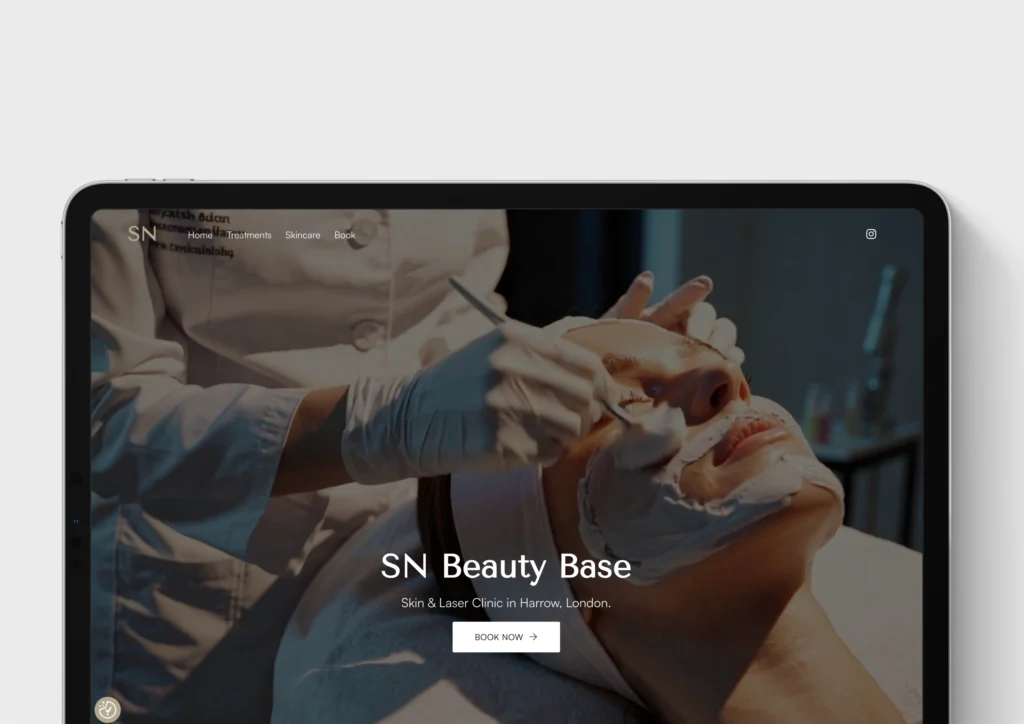
Aesthetic clinic websites often look impressive when they first launch. Strong branding, polished visuals, and carefully chosen imagery usually get a lot of attention at the start.
The problems tend to appear later.
As clinics grow, add new treatments, bring on staff, or change how they operate day to day, many websites start to feel awkward, difficult to update, or no longer reflective of how the clinic actually works. What once looked professional begins to feel restrictive.
That is usually not a design issue. It is a structural one.
Good design is only the surface layer
Design focuses on how a website looks. Structure focuses on how it works.
For aesthetic clinics, a website is not just a brochure. It quickly becomes part of the clinic’s operational setup. Clients use it to understand treatments, book appointments, complete forms, and buy products. Staff rely on it to stay consistent and up to date. Over time, it becomes a living system rather than a static marketing asset.
When a website is built primarily around appearance, it often struggles to support those realities. Changes become harder to make, content becomes inconsistent, and small updates start to feel like major tasks.
Structure matters more than visuals
Well-structured clinic websites share a few common traits.
Treatments are grouped logically rather than simply listed. Navigation is clear and predictable. New services can be added without breaking the layout. Content can be updated without rebuilding entire pages.
This kind of structure makes the website easier to manage as the clinic evolves. It also makes the experience clearer for clients, who can quickly understand what is offered and where to find it.
When structure is weak, even the best-looking website becomes fragile. Each change introduces friction, and clinics often end up avoiding updates altogether, which leads to outdated information and missed opportunities.
A clinic website should not exist in isolation
Another common issue is websites being built separately from the rest of the clinic’s systems.
In practice, a clinic website needs to work alongside booking systems, consent and consultation processes, payments and deposits, and ecommerce where relevant.
When websites are built without considering these connections, clinics often end up duplicating work, manually moving information between systems, or creating gaps that cause confusion for both clients and staff.
A website that is designed with these connections in mind supports smoother operations and reduces admin over time. This is where proper booking system set-up becomes just as important as the website itself.
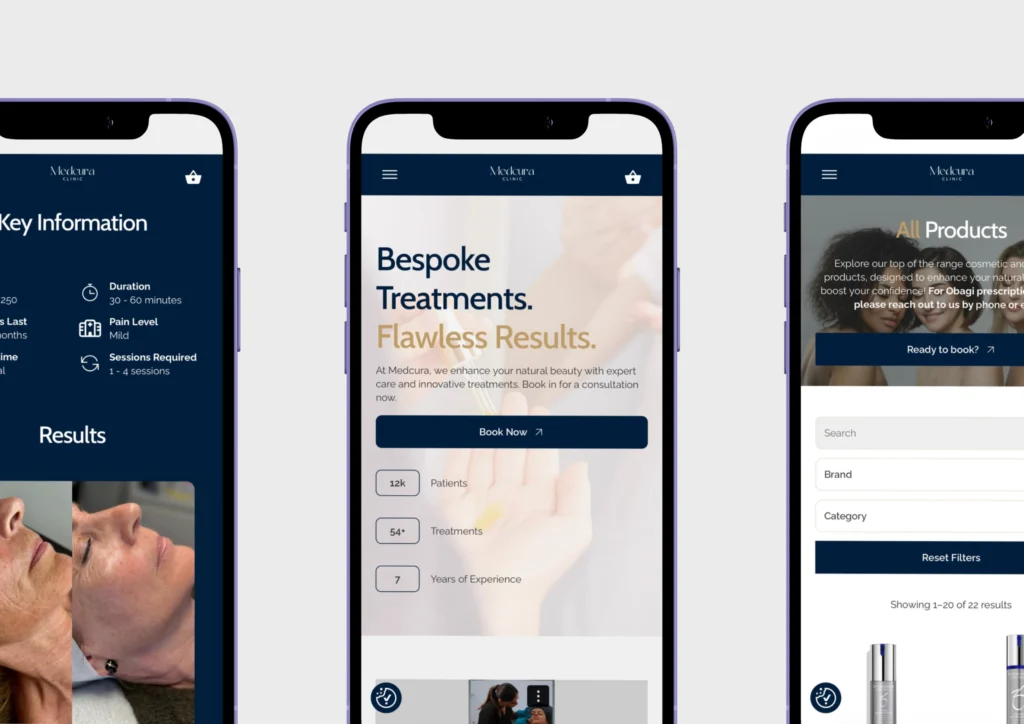

Growth exposes weak website foundations
Many clinics only notice website issues when something changes.
A new treatment is introduced. The team expands. An academy or online shop launches. Compliance requirements change.
Suddenly, the website no longer fits how the business operates. Pages become cluttered, navigation feels unclear, and responsibility for updates is uncertain. The site may still look good, but it no longer supports the clinic properly.
This is why clinics that grow steadily often struggle more with their websites than clinics that stay small. Growth reveals whether the foundations were built with change in mind.
What clinics should prioritise instead
Rather than focusing purely on design, clinics should prioritise a clear page structure that reflects how services are delivered, flexibility to add and update treatments easily, and a setup that connects naturally with booking and consent systems.
The website should be built to evolve, not just launch, with clear responsibility for keeping content accurate and aligned. This is why clinic website design should focus as much on structure and usability as it does on appearance.
This is the difference between a website that looks professional and one that operates professionally.
Clinics that get this right early avoid costly rebuilds later and spend far less time fixing problems that could have been prevented with better foundations.
A calm closing thought
Good design is important. It sets the tone and reflects the clinic’s brand. But design alone does not support a clinic as it grows.
A well-structured website becomes part of the clinic’s operational foundation, quietly supporting bookings, systems, and day-to-day decisions without drawing attention to itself. This kind of setup is far easier to maintain when there is ongoing clinic operations support in place.
That is what allows clinics to grow without constantly revisiting their systems or starting from scratch.
If you are reviewing how your website supports your clinic, it is often useful to look beyond how it looks and consider how well it works alongside the rest of your setup.